Česky
Česky


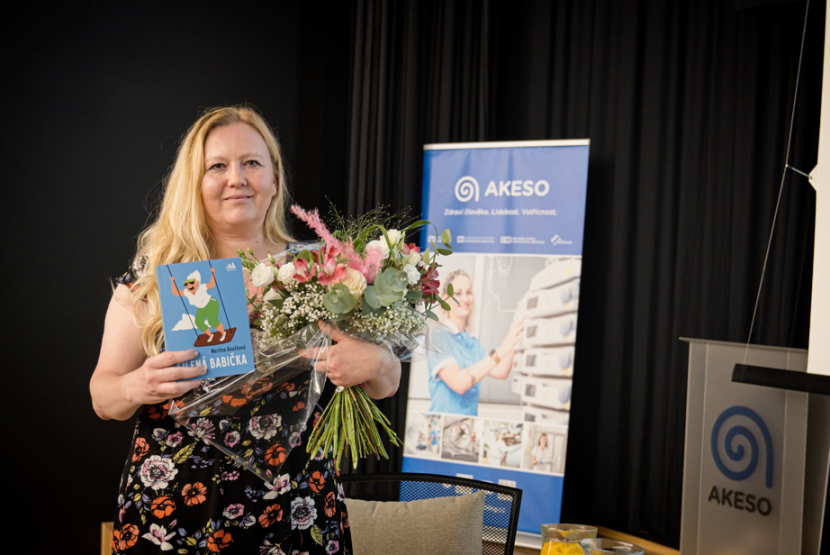
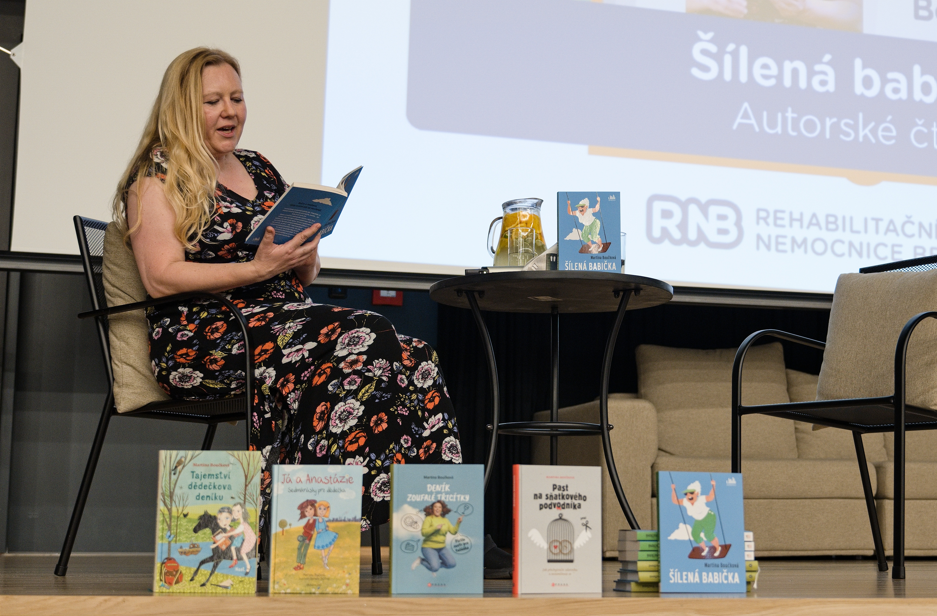
The book Crazy Grandma that you read from, does it refer to your grandmother or your mother, or is it pure fiction?
It's really pure fiction, it doesn't relate to my life, nor does it have any antecedents in specific people. My intention was to portray the different intergenerational relationships, which are often complicated. It is often difficult to find a way of understanding between children, parents and grandparents, and this book humorously depicts two women, mother and daughter, who don't understand each other very well. Or, more accurately, the daughter does not understand her mother's behaviour and finds her "crazy". Although the mother, as it is the case with mothers and parents in general, is much more forgiving towards her daughter and is sympathetic to her in almost every situation. Not to mention the fact that she also gets involved in a lot of things. They are finding their way to each other and it really isn't easy. But it's a lot of fun.
Do we need more humour these days, and could your books have a therapeutic effect in this respect?
I definitely think humor is needed. I originally wrote more serious texts with deeper psychological themes of interpersonal relationships, but after my first failure and the publishing house's actual primary interest in publishing humorous and children's books, I haven't really tried to push myself in that direction. Timing has contributed a lot to this. There have been many unpleasant events in recent years. And so it happened that the first humorous book was written at a time of covid restrictions, when we were all kind of tired of it all. In addition to the pandemic, other events have subsequently been added, notably the near war conflict. From a certain point of view, it is perhaps hopeful to say that my books can help to better manage the "gloomy" mood. And therefore I also agree that they can have a therapeutic effect to some extent. If it makes the reader laugh, it makes him/her happy, and for a while he/she forgets his/her worries and troubles. That is the greatest reward.
And where do you find the strength to give out laughter through your books?
I guess I have it in me. I'm a positive person. I try to approach the world with a smile and a perspective. I'm surrounded by a lot of people who understandably have different personalities, are living their lives and stories, and may be in different moods at any given time. And that sometimes creates tension in society. I try to find the better side in every situation and so far it's working for me. I often manage to turn an unpleasant situation into humour.
That's where my next question comes from: where do you get inspiration for your books?
Everywhere around me. At work, among friends, in my family, even out walking. Just catching the mood of a smiling family, for example, or randomly overhearing part of a conversation, and I'm already getting ideas in my head about what I could do with it. They are just impulses, the resulting stories are then different. But even in the course of writing, I usually have no idea how everything will turn out. I enjoy the process of discovery and what the characters have in store for me.
But you're not just a writer, you're also an avid reader. Do you have any favourite authors?
I have certain favourites of course, for example Karin Lednicka is a brilliant writer in my opinion. But to confess, I'm not loyal to specific authors. I choose books based on reader reviews. I'm interested in what emotions the book awakened in them, and I will either read it or not read it accordingly. I also review new books, so they kind of come to me on their own. But I'm mostly inclined towards books about nature, which I love, so I also like to read about it.
How do you feel about the shift of literature towards digital? Do you think classic books have a future?
I firmly believe that they do. You can pick up a classic book, touch the pages and feel how it smells. What I mostly encounter is that readers across the ages still prefer printed books. I think that for children, a book is an indispensable tool and guide. The fact that they can flip through the book, turn the pages, is also important. There is simply no substitute for an electronic book. I see the digitisation of books as an alternative, and it certainly has its supporters. Just like the rapidly expanding artificial intelligence, which can be a good servant but a bad master. Personally, I hope that the ordinary book will not be supplanted in time.
What advice would you give to aspiring authors who would like to break into the book market?
There is a big craze now for so-called beta readers (beta reader is the name given to a person who is usually a test reader of any literary work; book, short story, article, etc., editor's note), which can also be a way to get feedback on your manuscripts. But I think it's better to try various literary contests. They usually have people sitting in them who understand literature and are able to give meaningful feedback. And then, of course, write and write and write, and eventually offer your manuscripts to publishers.
Can you tell us what's coming up next?
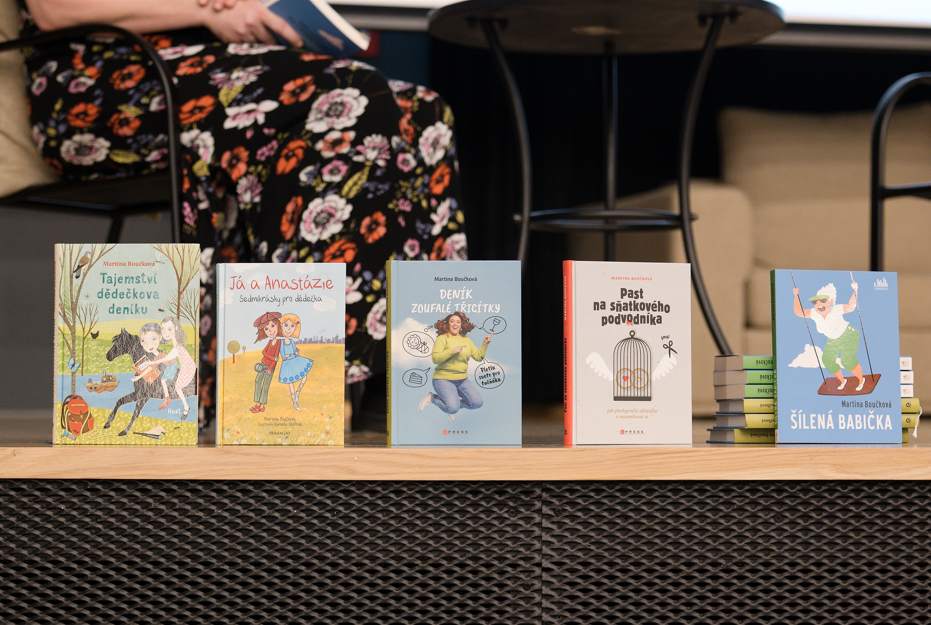
There will be a lot for next year. There should be a book for beginning readers, the text uses a form of the genetic reading method. There will also be a story about birds for children and a story from a floorball environment for floorball lovers. A children's manuscript, which won third place in a literary competition for the best original work of 2022, will also be published. And for adults, a factual book about disasters on Czech territory.
How do you relax in your spare time?
As I said, I love nature, going to the woods and walking. At the cottage, I just sit in the grass and listen to the leaves rustling, the things buzzing and singing around me. That recharges me more than a fortnight in a spa. And of course I'm very happy to be with my family, because luckily they're always fun.
Author's reading
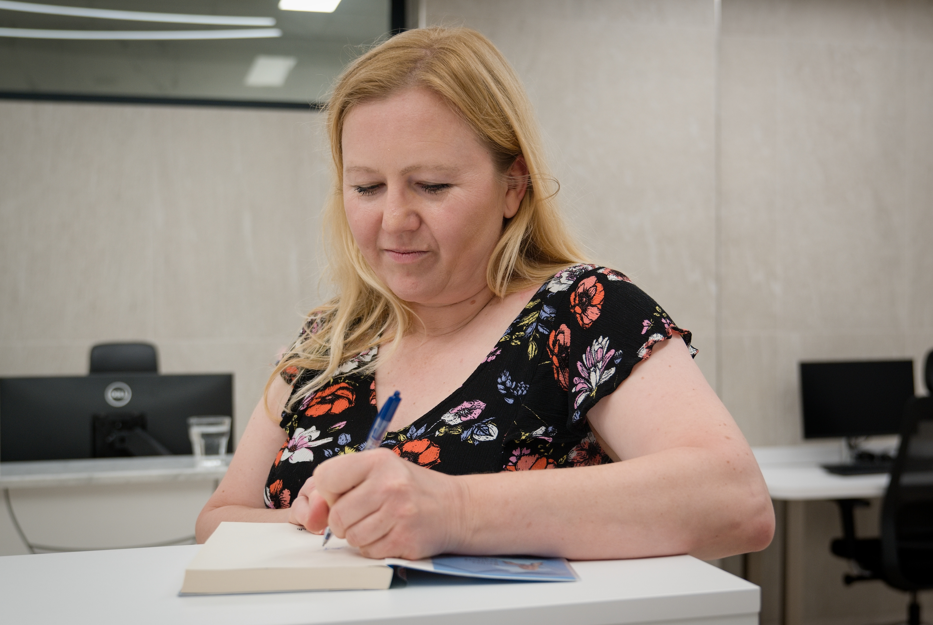
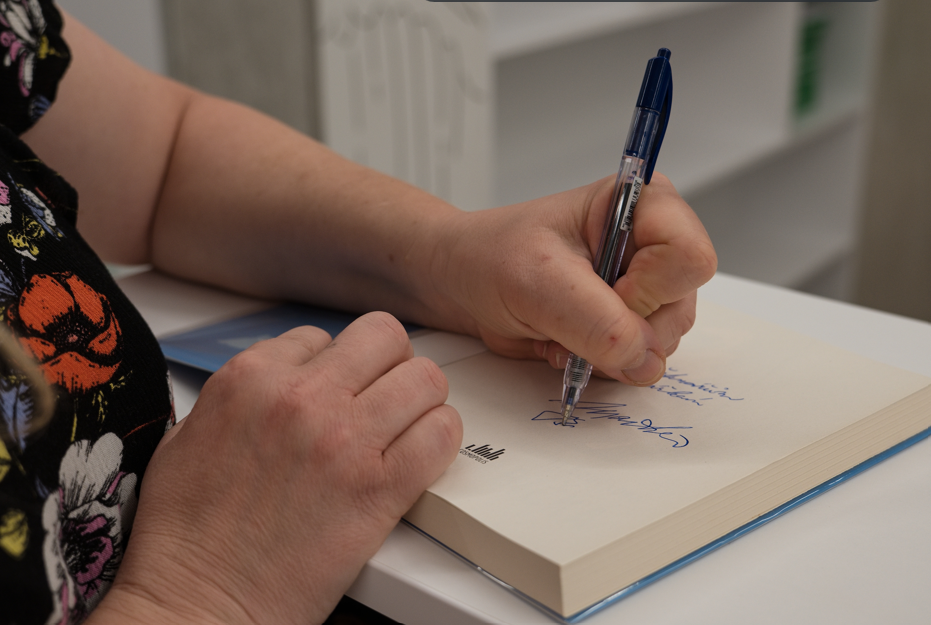
The Encounters with Stories author reading series, held regularly at the Mental Health Rehabilitation Centre, brings inspiration, support and also new perspectives on life situations through its guests. Literary authors share their feelings, experiences and life stories with the audience.
Medallion:
Martina Boučková, * 1975
Graduated from the Faculty of Humanities at Charles University. She works as a project coordinator. In addition, she reviews books on her website Superrodina.cz and contributes texts to other media. She has been successful in several literary competitions. She lives in Pardubice with her husband and two children, Marketa and Pepík. In her spare time she writes, reads and walks in nature.