Česky
Česky


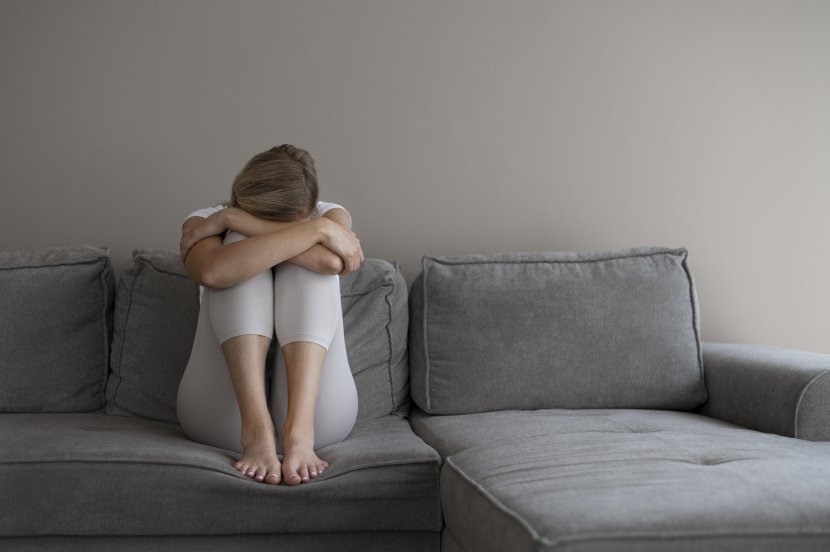
As Martin Hollý, M.D., MBA, deputy for mental health at the Centre for Mental Rehabilitation in Beroun (CDR) explains, the origin of the phenomenon is really mainly marketing. "The Blue Monday phenomenon stems from the fact that Mondays are themselves days that most people don't like. Even the data confirms that it is Mondays when the most suicides take place, and this throughout the year," explains MUDr. Hollý, adding that professional statistics show March and April as the most psychologically challenging periods. "At the same time, Blue Monday is another opportunity for us to talk about mental health," the doctor highlights the positives.
There are a number of reasons behind the fact that people may feel worse at the beginning of the year. One of the main ones is the lack of light caused by shorter days and worse weather. It is therefore best to spend as much time as possible in daylight each day, ideally combining this time outdoors with exercise, according to Dr Hollý. In addition, returning to work and school after Christmas also promotes depression, and increased alcohol consumption during the holidays doesn't help either.
But seasonal depression does not always mean serious mental health problems. To identify whether it is more likely to be depression, it helps to focus on three basic areas: loss of intrinsic motivation, loss of the ability to experience joy in things we used to enjoy, and physical problems such as sleep disturbances or loss of appetite. "It is true that these symptoms should last for most days of the fortnight. If I feel down for two days, it's not a cause for concern," clarifies MUDr. Hollý.
However, he also stresses the importance of discussing any psychological problems with loved ones. They can also motivate us to visit a specialist. "With mental health, it is always better to seek help "unnecessarily" than too late," emphasises the doctor.
MUDr. Hollý also spoke about the Blue Monday phenomenon on CNN Prima News New Day. You can watch the whole show at this link at 14:50.