Česky
Česky


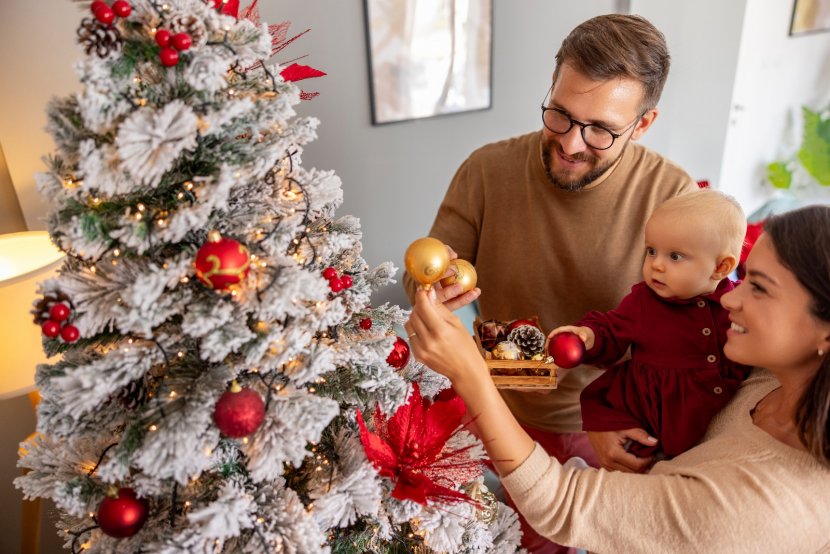
Psychologist and family therapist of the Centre for Mental Rehabilitation (CDR) Mgr. Jan Szutkowski points out that there is a combination of reasons behind how challenging the holiday season can be for us. The main one is, perhaps unsurprisingly, the high demands we place on ourselves. Whether it's how many presents we're going to get, how we're going to coordinate our Christmas decorations, or whether we have a speck of dust in our apartment. Excessive demands for perfection stress ourselves and those around us. The tense atmosphere then creates unnecessary conflicts.
"The most important thing is to decide what is really most important to us at Christmas. Which traditions make sense to us and which ones, on the other hand, are hollowed out and we do them just because we think we should," Szutkowski stresses.
The increasingly consumerist nature of Christmas doesn't help either. The seeming need to have everything bigger and in greater quantities every year is just a quick fix for the problems that build up inside us during the year and start to seep to the surface as families spend more time together. Dozens of presents or an overabundance of candy won't guarantee satisfaction - for some, just the opposite. "Let's try to think about what we really need. Maybe it's not more gold and sugar, but more closeness and mutual understanding," recommends the therapist.
Last but not least, the winter weather also affects us negatively. "Cold, little sun, short days, all contribute to us being more argumentative than usual. In addition, people are used to compensate for seasonal depression with alcohol, which makes the situation even worse," explains Szutkowski. All together, it sounds like an almost unmanageable combination, but nothing is lost.
Respect your own boundaries
Unfortunately, there is no universal advice for family well-being like the one in the commercials. Something works differently for every family, so we need to adapt any recommendations to suit ourselves, our capabilities and not overstep our boundaries. In general, we should put our well-being, our partner's well-being and our children's well-being first when making decisions. Only if we ourselves are happy and in tune with our intuition can we spread the holiday spirit to others.
As in other areas of life, communication is key during the Christmas season. Each of us has a different idea of how we want to spend the holidays. Some people want to relax, while others want to catch up on everything they missed during the year. "Let's always try to find a compromise. This is the only way we can maintain relationships without unnecessary bitterness," Szutkowski stresses the need for communication.
Especially for families where parents are divorced, it's a good idea to agree as far in advance as possible how the holidays will logistically work, so as not to run into an unexpected obstacle at the last minute. But this doesn't just apply to them. Knowing who is bringing the tree, what's happening on Christmas morning, what time we're going to the grandparents', when we're going to the celebratory lunch or who's bringing and picking up the kids will give us more certainty and avoid unnecessary stress. It is also easier to make the compromises mentioned above well in advance.
The most important thing is what we have in common
A separate discipline is meeting family members with whom we have little in common. Differences in values can cause a lot of trouble at a previously quiet holiday lunch, especially if one of the people involved tends to argue about politics, for example.
"If we disagree with someone but still like them or want to spend time with them, it's good to focus on what unites us rather than what divides us. Remind ourselves that we may have different opinions, but we are still related and want to spend nice times together, so we should avoid explosive topics," Szutkowski advises. She adds that if we can't have this conversation with others, it helps to at least tune in internally to "a wave of understanding."
Even so, if we're not comfortable going through a round of family lunches, Szutkowski says it's OK to decide that we just don't want to attend traditional meetings. Because, again, in order to experience the holidays in a way we are comfortable with, we must begin by taking care of ourselves.